Root Canal Treatment in Hampstead – Save Your Natural Tooth
Root canal treatment is used to treat infection or inflammation inside a tooth. This can happen when decay, a deep filling, a crack or an injury allows bacteria to reach the pulp of the tooth.
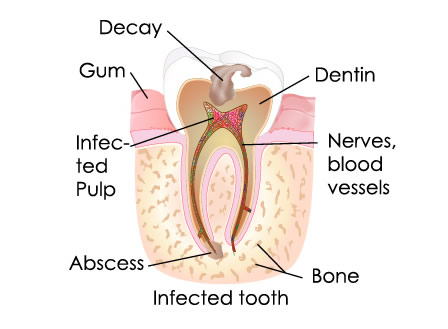
The pulp contains nerves, blood vessels and soft dental tissue. When it becomes infected or badly inflamed, you may experience toothache, sensitivity or pain when biting. However, some infected teeth cause little or no noticeable symptoms.
At RP Advanced Dental and Implant Centre, we provide root canal treatment in Hampstead to remove infection, relieve symptoms and help preserve your natural tooth wherever possible.
The sooner an infected tooth is assessed, the better the opportunity to treat the problem before it becomes more serious.
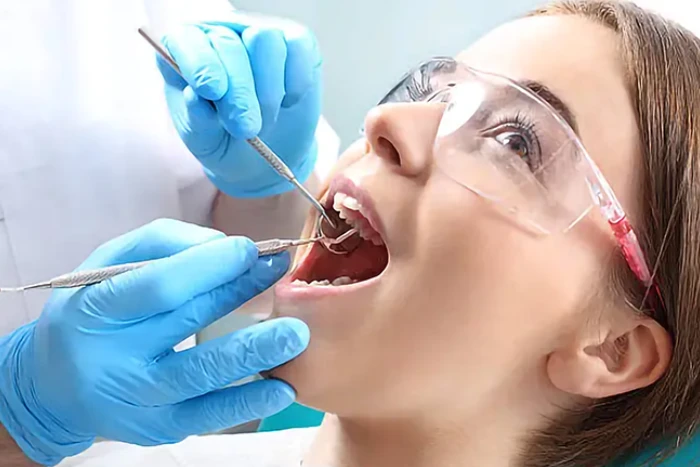
Root Canal Treatment
Inside every tooth is a space called the pulp chamber, which continues into narrow canals within the roots. These canals contain the nerves and blood vessels that help the tooth develop.
When bacteria enter this area, the pulp can become inflamed or infected. Root canal treatment involves carefully removing the infected or damaged pulp, cleaning the root canals and sealing the tooth to prevent further infection.
Depending on the condition of the tooth and the complexity of the canals, treatment may be completed in one appointment or may require several visits.
Root canal treatment is designed to save the natural tooth and avoid extraction where this is clinically possible.
Do You Need Root Canal Treatment?
You may need root canal treatment if you experience:
Persistent toothache or throbbing pain
Pain when biting or chewing
Sensitivity to hot or cold that lingers
Swelling around the tooth or gum
A recurring gum boil or abscess
An unpleasant taste in your mouth
A tooth that has darkened
Tenderness or pain when touching the tooth
Infection discovered during a routine exam or X-ray
Important: Not all infected teeth cause symptoms. Some are only discovered during a dental examination or X-ray. If you have swelling, severe pain, or worsening symptoms, contact us immediately.
What Happens During Root Canal Treatment?
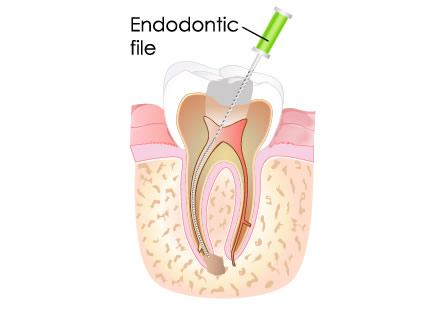
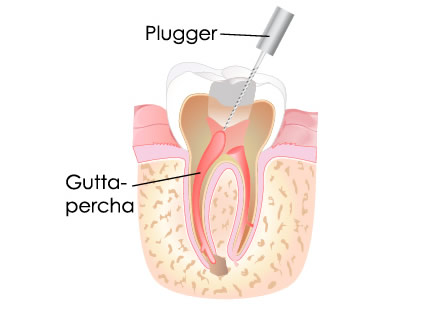
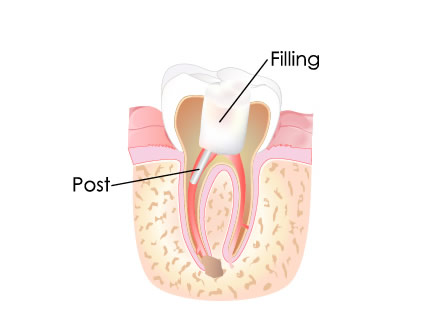
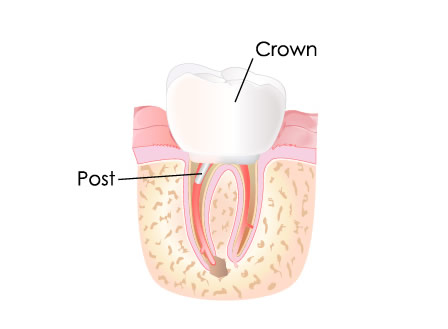
We follow a careful, step-by-step process to ensure your comfort and the best possible outcome.
Examination and Diagnosis
Your tooth, gums and bite will be assessed. We may also take dental X-rays to understand the shape of the roots, identify infection and plan treatment accurately.
Local Anaesthetic
A local anaesthetic is used to numb the area around the tooth. This helps make the procedure as comfortable as possible.
Cleaning the Root Canals
The dentist creates a small opening in the tooth to access the pulp chamber and root canals. The infected or damaged pulp is removed, and the canals are carefully cleaned.
Filling and Sealing the Tooth
Once the canals have been cleaned, they are filled and sealed to help prevent bacteria from entering again. In some cases, the tooth may be temporarily filled or sealed. This allows the dentist to review the tooth and check that the infection is settling before completing the final restoration.
Restoring the Tooth
After root canal treatment, the tooth may need a permanent filling, onlay or dental crown, depending on how much healthy tooth structure remains. A crown may be recommended for a weakened or heavily restored tooth because it can help protect the tooth from further damage. The most suitable restoration will depend on the position of the tooth, its strength and your individual needs.
Root Canal Treatment Recovery – What to Expect
After treatment, your tooth may feel tender for a few days. This is normal and should improve gradually.
To support your recovery:
Follow your dentist’s instructions carefully
Avoid chewing hard foods on the treated tooth until advised
Take pain relief as recommended
Brush and floss gently around the area
Attend any follow-up appointments
Arrange your final restoration (filling, onlay, or crown) when recommended
Contact us if you experience:
Severe or worsening pain
Increasing swelling
A persistent feeling of pressure
Pain that does not improve
Fever or feeling unwell
A lost temporary filling
Root Canal vs. Tooth Extraction – Which Is Right for You?
When a tooth is infected, you may have two options: root canal treatment or extraction.
Root canal treatment is usually preferable because it:
Saves your natural tooth
Maintains normal chewing function
Preserves the position of neighbouring teeth
Keeps your natural smile
Avoids the need for more complex tooth replacement
Extraction may be recommended if:
The tooth is severely cracked or damaged
There is not enough healthy tooth structure to restore
The infection cannot be controlled
The tooth cannot be predictably saved
Your dentist will assess your tooth and explain which option is best for you.
Root Canal Treatment Cost
The cost of root canal treatment at RP Advanced Dental and Implant Centre depends on the tooth being treated and the complexity of the procedure. Our guide prices start from £868 for an incisor or canine, £1,158 for a premolar and £1,308 for a molar.
The final cost may vary depending on your treatment needs. A crown or another restoration may also be recommended separately to protect the treated tooth.
For our latest prices and further information, visit our dental fees page.
Areas We Serve
We proudly serve patients across Hampstead and surrounding areas, including:
- Hampstead
- Belsize Park
- Swiss Cottage
- West Hampstead
Why Patients Across Hampstead Trust Us With Their Smile
GDC-Registered Dentists with advanced training in endodontics and restorative dentistry
Over 38 Years of combined clinical experience
5-Star Rated on Google – read what our patients say
Advanced Technology including digital X-rays and rotary endodontic systems
Gentle, Anxiety-Friendly Care – we take the time to make you comfortable
Convenient Hampstead Location – easily accessible by bus, and car
Don't Let Tooth Pain Wait – Book Your Assessment Today
Persistent toothache, sensitivity, or swelling could mean your tooth needs urgent care. The sooner you act, the better your chance of saving your natural tooth.
Frequently Asked Questions
How to Clean a Dental Bridge
Brushing your teeth is only one part of caring for a bridge. Food and plaque can collect underneath the replacement tooth because it does not sit directly on the gum like a natural tooth.
Your cleaning routine may include:
- Brushing twice daily with fluoride toothpaste
- Cleaning between your natural teeth
- Using an interdental brush beneath the bridge
- Using specialist floss where appropriate
- Following your dentist or hygienist’s cleaning advice
- Attending routine dental examinations
What Can You Eat After Getting a Dental Bridge?
You can normally return to everyday eating once you have adjusted to the restoration.
Immediately after treatment, you may find the area feels different or slightly sensitive. Starting with comfortable foods and gradually returning to your normal diet can make the adjustment easier.
It is sensible to avoid using your bridge to bite extremely hard objects, as excessive force can damage dental restorations.
If your bridge feels loose, painful or noticeably different when you bite, contact your dental practice rather than continuing to put pressure on it.
Are Dental Bridges Noticeable?
A modern bridge is designed to look as natural as possible. The colour, shape and proportions of the replacement tooth can be planned to complement the surrounding teeth.
For visible teeth, appearance can be an important part of the treatment discussion. Your dentist can explain which materials and designs may be appropriate for your particular position in the mouth.