Dental Bridges in Hampstead – Smile with Confidence
A missing tooth can affect your smile, chewing and the position of your remaining teeth. A dental bridge offers a fixed way to replace one or more missing teeth, helping restore both appearance and function.
At RP Advanced Dental and Implant Centre, we provide dental bridges in Hampstead using different designs, including conventional, Maryland, resin-bonded, cantilever and implant-supported bridges. The most appropriate option depends on the position of the missing tooth, the surrounding teeth, your bite and your oral health.
What Is a Dental Bridge?
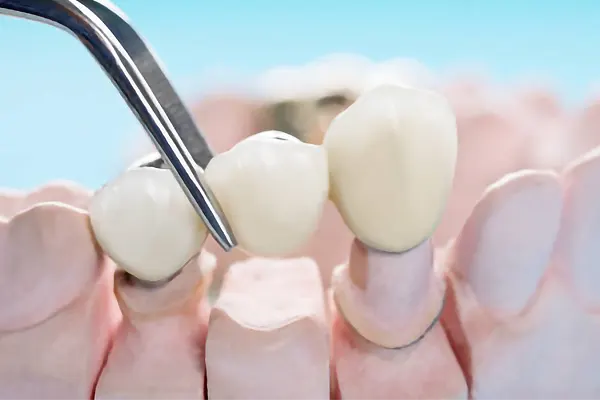
A dental bridge replaces a missing tooth or several adjacent teeth with an artificial replacement tooth, known as a pontic. The bridge is held in place using natural teeth or dental implants, depending on the design.
Unlike a removable denture, a dental bridge is fixed in position. It can help fill a visible gap, improve chewing and restore a more complete smile.
When Might a Dental Bridge Be Suitable?
A dental bridge may be considered if you have lost a tooth because of decay, injury, gum disease or another dental problem.
It may help to:
- Replace one missing tooth or several adjacent teeth
- Fill a visible gap in your smile
- Improve chewing comfort
- Restore the appearance of your teeth
- Reduce the chance of neighbouring teeth moving into the gap
Before recommending a bridge, your dentist will check the supporting teeth, gums and bite. This assessment helps identify the most appropriate design for your needs.
Types of Dental Bridges
Dental bridges come in several designs. Each option has different requirements, so the best choice depends on the location of the gap, the supporting teeth and your bite.
Conventional Dental Bridge
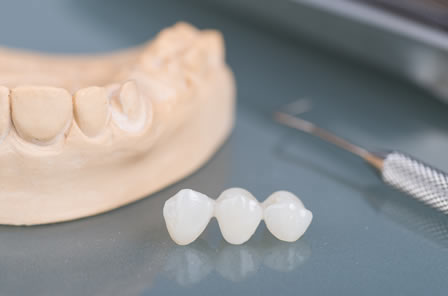
A conventional bridge uses the teeth next to the gap for support. The replacement tooth connects to restorations that fit over or attach to these supporting teeth.
This can be an effective option when the neighbouring teeth are strong and healthy enough to provide support.
Maryland Bridge
A Maryland bridge is often used to replace a single missing tooth, particularly towards the front of the mouth.
The replacement tooth is attached to a framework or wings that are bonded to the back of the supporting teeth. This can preserve more natural tooth structure than some other bridge designs.
Resin-Bonded Bridge
A resin-bonded bridge is secured to the supporting teeth using bonded wings or a framework. It is also commonly known as a resin-retained bridge and may be described as a type of Maryland bridge.
This design can be useful when preserving the surrounding natural teeth is important. Its suitability depends on the location of the gap, the bite and the available support.
Cantilever Bridge
A cantilever bridge is supported from one side of the gap rather than both sides.
Because additional pressure can be placed on the supporting tooth, this design is only suitable in selected cases following a detailed assessment.
Implant-Supported Bridge
Unlike a conventional bridge, an implant-supported bridge uses dental implants for support rather than relying entirely on neighbouring natural teeth.
It may be suitable when several adjacent teeth are missing, particularly when the surrounding natural teeth are healthy and do not need to be used as bridge supports.
An implant-supported bridge can replace several missing teeth without requiring a separate implant for every tooth.
How Much Does a Dental Bridge Cost
At RP Advanced Dental and Implant Centre, a three-unit dental bridge starts from £3,100. A three-unit bridge is commonly used to replace one missing tooth and is made up of the replacement tooth and the supporting units.
The final cost of your dental bridge will depend on:
- The type of bridge required
- The number of teeth being replaced
- The materials used
- The condition of the supporting teeth
- Whether additional treatment is needed
- The complexity of the case
- The aesthetic requirements
- Whether dental implants are being used for support
However, a Maryland or resin-bonded bridge, cantilever bridge or implant-supported bridge may cost more or less than a conventional three-unit bridge. Your dentist will explain the available options and provide a clear treatment estimate before treatment begins.
For the latest fees, you can also visit our dental fees page.
Dental Bridge Treatment At RP Advanced Dental
Treatment varies according to the type of bridge being provided.
- Assessment: Your teeth, gums, bite and the area of the missing tooth are examined.
- Planning: The most appropriate bridge design is selected based on the available support and your treatment goals.
- Scanning and preparation: Digital scans or impressions are used to plan the bridge. Where necessary, the supporting teeth are prepared.
- Fitting: The completed bridge is checked for its fit, appearance and bite before being securely placed.
Some bridge designs require little or no preparation of the supporting teeth, while others involve more extensive preparation.
How Long Does a Dental Bridge Take?
The treatment time depends on the type of bridge and whether any additional dental work is required.
Some bridges can be provided in a relatively short period, while conventional treatment may require more than one appointment. Implant-supported bridges usually take longer because the implants need time to integrate before the final bridge is fitted.
Your dentist will explain the expected timescale during your consultation.
How Long Does a Dental Bridge Last?
A dental bridge can provide a long-term replacement when it is properly cared for.
Its lifespan depends on:
- The health of the supporting teeth and gums
- Daily oral hygiene
- The type and design of the bridge
- Your bite
- Teeth grinding or clenching
- Regular dental examinations and hygiene appointments
Maintaining the teeth and gums around the bridge is essential for its long-term success.
CEREC Technology for Dental Bridge Treatment
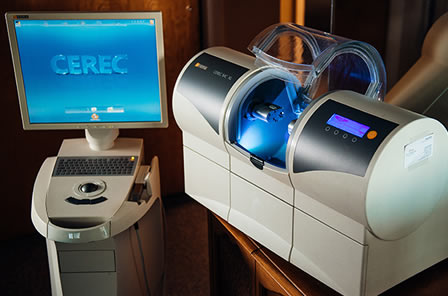
RP Advanced Dental uses advanced CEREC technology as part of its restorative dentistry services.
The in-house CEREC CAD/CAM system allows digital scans to be used in the design and manufacture of certain dental restorations at the practice, reducing the need for traditional external laboratory stages where appropriate.
For suitable bridge cases, this technology can help streamline the restoration process and reduce unnecessary appointments.
Your dentist will explain whether CEREC technology is appropriate for the type of bridge you require.
Why Choose RP Advanced Dental and Implant Centre?
Choosing the right dental practice is an important part of replacing a missing tooth. At RP Advanced Dental and Implant Centre, your treatment is planned around the condition of your teeth, gums, bite and smile.
Patients choose our practice for:
- A range of bridge options: We provide conventional, Maryland, resin-bonded, cantilever and implant-supported bridges where appropriate.
- Individual treatment planning: Your dentist will assess your needs before recommending a bridge design.
- Advanced CEREC technology: Our in-house digital scanning and CAD/CAM technology can help streamline suitable restorative treatments.
- Natural-looking results: The shape, colour and position of the replacement tooth are considered as part of the treatment.
- Hampstead location: We provide dental bridge consultations and restorative dentistry for patients in Hampstead and the surrounding areas.
- Long-term care: We can advise you on cleaning, maintenance and protecting the teeth supporting your bridge.
Book a Dental Bridge Consultation in Hampstead, London
If you have a missing tooth and are considering a fixed replacement, contact RP Advanced Dental to arrange a dental bridge consultation in Hampstead. Your dentist can assess the gap, surrounding teeth and bite and explain which bridge options may be appropriate for you.
Frequently Asked Questions
How to Clean a Dental Bridge
Brushing your teeth is only one part of caring for a bridge. Food and plaque can collect underneath the replacement tooth because it does not sit directly on the gum like a natural tooth.
Your cleaning routine may include:
- Brushing twice daily with fluoride toothpaste
- Cleaning between your natural teeth
- Using an interdental brush beneath the bridge
- Using specialist floss where appropriate
- Following your dentist or hygienist’s cleaning advice
- Attending routine dental examinations
What Can You Eat After Getting a Dental Bridge?
You can normally return to everyday eating once you have adjusted to the restoration.
Immediately after treatment, you may find the area feels different or slightly sensitive. Starting with comfortable foods and gradually returning to your normal diet can make the adjustment easier.
It is sensible to avoid using your bridge to bite extremely hard objects, as excessive force can damage dental restorations.
If your bridge feels loose, painful or noticeably different when you bite, contact your dental practice rather than continuing to put pressure on it.
Are Dental Bridges Noticeable?
A modern bridge is designed to look as natural as possible. The colour, shape and proportions of the replacement tooth can be planned to complement the surrounding teeth.
For visible teeth, appearance can be an important part of the treatment discussion. Your dentist can explain which materials and designs may be appropriate for your particular position in the mouth.