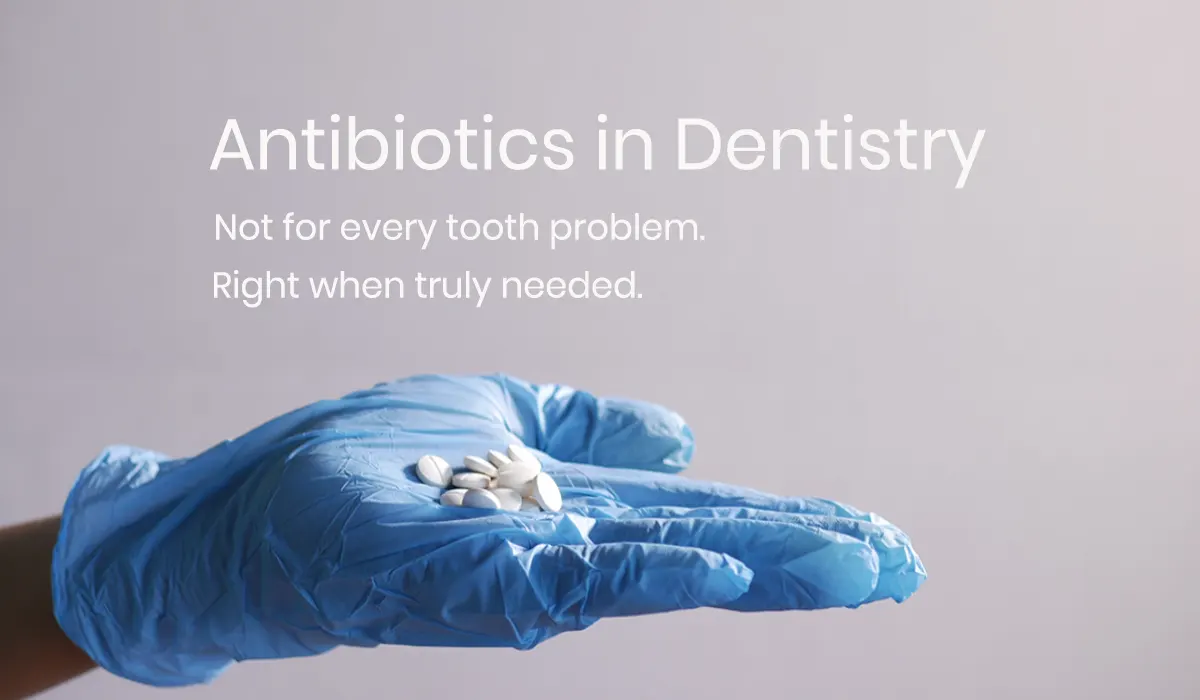
Yes. Dentists can legally prescribe antibiotics, but not simply because a tooth hurts.
That’s one of the biggest misconceptions patients have. Many people assume antibiotics are the treatment for a toothache, when in reality they’re often just a temporary support and sometimes they aren’t appropriate at all.
A dentist’s job isn’t only to remove pain. It’s to remove the cause of the pain. If bacteria have spread beyond the tooth or there’s a real risk the infection is moving through surrounding tissues, antibiotics can be an important part of treatment. If the problem is trapped inside the tooth, however, antibiotics usually can’t solve it on their own.
Modern dentistry has actually become more selective about prescribing antibiotics than it was a decade ago. That’s because unnecessary use contributes to antibiotic resistance and exposes patients to avoidable side effects. Current evidence encourages dentists to treat the source of infection first whenever possible.
Can Dentists Prescribe Antibiotics for Tooth Pain?
Sometimes but tooth pain alone isn’t enough.
This surprises many patients.
Imagine two people with exactly the same level of pain. One needs antibiotics, while the other doesn’t.
Why?
Because pain measures irritation, not necessarily infection.
A tooth with an inflamed nerve (pulpitis) can produce intense, throbbing pain that keeps someone awake all night. Yet antibiotics won’t reach the inflamed tissue effectively because the blood supply inside that damaged pulp has often been lost.
In these cases, treatment such as:
- Root canal therapy
- Removing the tooth
- Draining an abscess if present
is what actually solves the problem.
Pain medication may help control symptoms while waiting for treatment, but antibiotics alone rarely stop this type of pain. This is why evidence-based dental guidelines recommend dental treatment rather than routine antibiotics for most toothaches.
A useful way to think about it is this:
| Problem | Will antibiotics usually help? |
|---|---|
| Inflamed nerve without spreading infection | No |
| Localized cavity pain | No |
| Dental abscess with facial swelling | Often yes, alongside dental treatment |
| Infection causing fever or spreading into tissues | Yes |
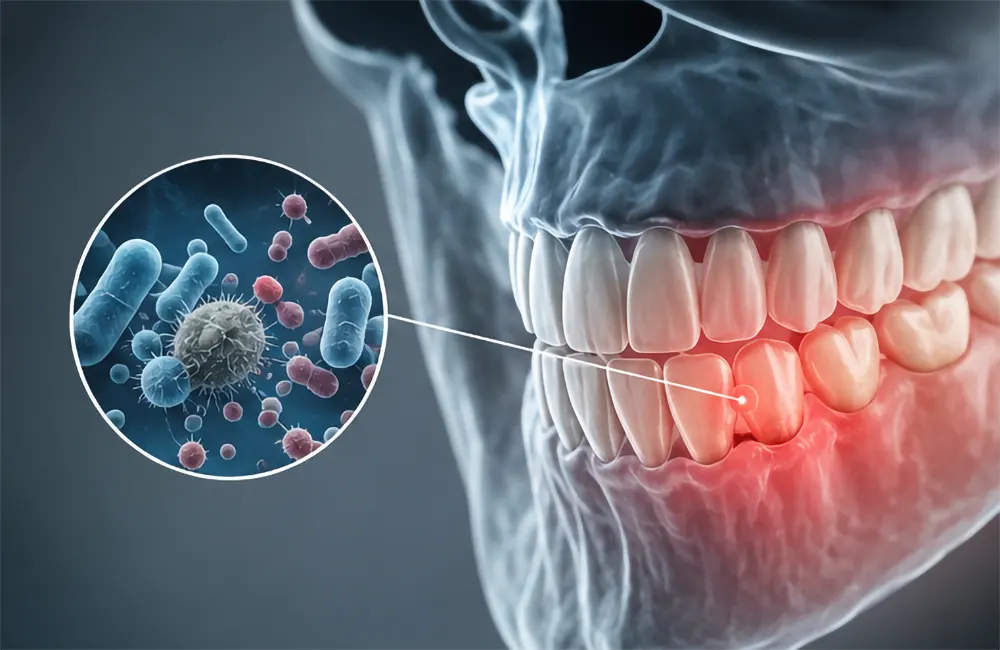
Can the Dentist Prescribe Antibiotics for Infection?
Yes, and this is where antibiotics truly have value.
When bacteria escape beyond the tooth and begin spreading into surrounding tissues, antibiotics help your immune system contain the infection while definitive dental treatment removes its source.
Signs that commonly make antibiotics appropriate include:
- Facial swelling
- Fever
- Swollen lymph nodes
- Difficulty swallowing
- Difficulty opening the mouth normally
- Infection spreading into the jaw or soft tissues
- Patients with weakened immune systems who cannot fight infection effectively
One detail many websites overlook is that dentists don’t just look at how swollen something appears.
They also pay attention to how quickly it’s changing.
A small swelling that doubled overnight may concern a dentist more than a larger swelling that’s remained stable for several days. Rapid progression often tells a different story than size alone.
This is one reason dentists ask questions that don’t seem related to the tooth itself, such as whether you’ve felt tired, feverish, or noticed swelling spreading toward your eye or neck.
Why Dentists Sometimes Refuse to Prescribe Antibiotics
Patients occasionally leave disappointed because they expected a prescription.
In reality, refusing unnecessary antibiotics is often the safer decision.
Antibiotics have limitations:
- They don’t repair decay.
- They don’t remove infected pulp.
- They don’t seal cracked teeth.
- They don’t replace root canal treatment.
- They don’t stop bacteria from returning if the source remains.
Many dentists describe this as “pressing pause.” Symptoms may improve temporarily, but the underlying disease continues until the tooth is treated.
Overprescribing also increases antibiotic resistance, making future infections harder to treat not only for one patient, but across the wider community.
Can a Dentist Prescribe Antibiotics for Gum Disease?
Yes but only for certain forms of gum disease.
Routine gingivitis almost never requires antibiotics.
Professional cleaning and improved oral hygiene are usually enough because the bacteria live on the tooth surfaces where they can be physically removed.
More advanced situations are different.
A dentist may prescribe antibiotics when treating:
- Acute periodontal abscesses
- Aggressive periodontal infections
- Certain severe forms of periodontitis
- Gum infections accompanied by swelling or fever
- Patients whose medical conditions increase infection risk
Even then, antibiotics are usually combined with deep cleaning rather than replacing it.
Think of plaque as a biofilm. Antibiotics struggle to penetrate a mature biofilm effectively. Physically disrupting it with professional cleaning dramatically improves the chances of successful treatment.
That’s one reason gum disease cannot usually be “cured with tablets.”
Can a Dentist Prescribe Antibiotics Before Treatment?
Yes but only when there’s a specific medical reason.
This is called antibiotic prophylaxis.
Years ago, preventive antibiotics were prescribed much more often before dental procedures.
Today, recommendations are considerably narrower.
A dentist may recommend antibiotics before treatment for patients who have certain high-risk heart conditions that increase the chance of infective endocarditis or other carefully defined medical circumstances. Routine use before fillings, cleanings, or extractions in healthy patients is generally not recommended.
This is why your dentist spends time reviewing your medical history before treatment.
Heart surgery.
Artificial heart valves.
Previous infective endocarditis.
Certain congenital heart conditions.
These details can change the treatment plan far more than the tooth itself.
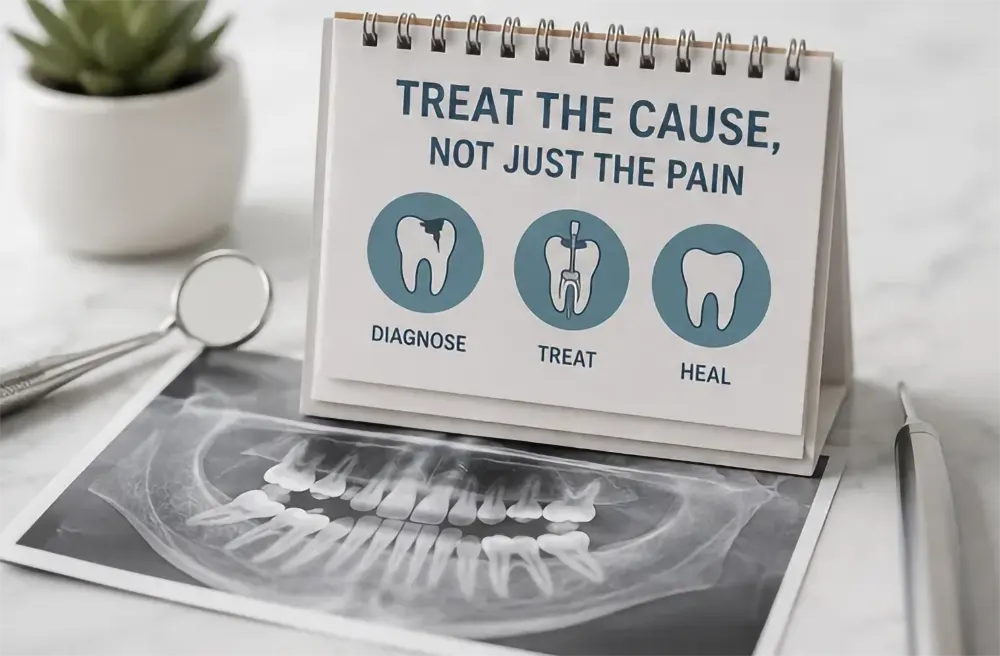
Antibiotics Don’t Remove the Source of Infection
Here’s something patients often don’t realize.
A tooth infection behaves differently from many infections elsewhere in the body.
Imagine an infected splinter trapped under your skin.
You could take antibiotics, but unless the splinter comes out, the infection often returns.
An infected tooth works in much the same way.
The bacteria hide inside damaged tooth structures that antibiotics cannot completely eliminate. Once the medication stops, bacteria can multiply again unless the source has been removed through root canal treatment or extraction.
This explains why people sometimes feel dramatically better after antibiotics only for the pain to return a few weeks later.
The medicine wasn’t ineffective.
It simply wasn’t the final treatment.
Common Antibiotics Dentists May Prescribe
The exact prescription depends on your medical history, allergies, current medications, and the type of infection.
Common options include:
- Amoxicillin
- Penicillin V
- Metronidazole (sometimes combined with another antibiotic)
- Azithromycin for selected patients with penicillin allergies
Dentists choose antibiotics based on the bacteria most likely causing the infection rather than using the strongest medication available.
Bigger isn’t always better.
Using a broader antibiotic than necessary can increase side effects without improving results.
What You Should Never Do
If you’re prescribed antibiotics:
- Finish them exactly as instructed unless your dentist advises otherwise.
- Never use leftover antibiotics from a previous illness.
- Don’t share antibiotics with family members.
- Contact your dentist if swelling worsens despite medication.
- Seek emergency care immediately if breathing or swallowing becomes difficult.
One practical point many patients miss is timing.
Even when antibiotics are working perfectly, noticeable improvement often takes 24 to 48 hours. They don’t usually make severe tooth pain disappear within a few hours because inflammation itself also needs time to settle.
FAQ
Yes. If immediate treatment isn’t possible or the infection is spreading, antibiotics may be prescribed first. The tooth still usually needs definitive treatment afterward.
You can ask, but your dentist will prescribe them only if they’re clinically appropriate. Many toothaches are treated more effectively with dental procedures instead.
Usually not. They help control bacterial spread, but root canal treatment or extraction is often needed to remove the source of infection.
Why Choose RP Advanced Dental and Implant Centre?
Our dental team at RP Advanced Dental and Implant Centre makes treatment decisions based on what’s genuinely best for each patient, rather than prescribing antibiotics simply because they’re expected.
When antibiotics are necessary, they’re prescribed thoughtfully and alongside a clear treatment plan. When they aren’t likely to help, you’ll be told why in plain language and offered the treatment that addresses the actual cause of the problem. That approach follows modern evidence-based dentistry and helps avoid unnecessary medication while giving patients the best chance of lasting relief.
If you’re experiencing persistent tooth pain, swelling, or signs of infection, don’t wait for the problem to worsen. Getting examined early can help prevent complications and get you the right treatment sooner. Book an appointment with RP Advanced Dental and Implant Centre today.